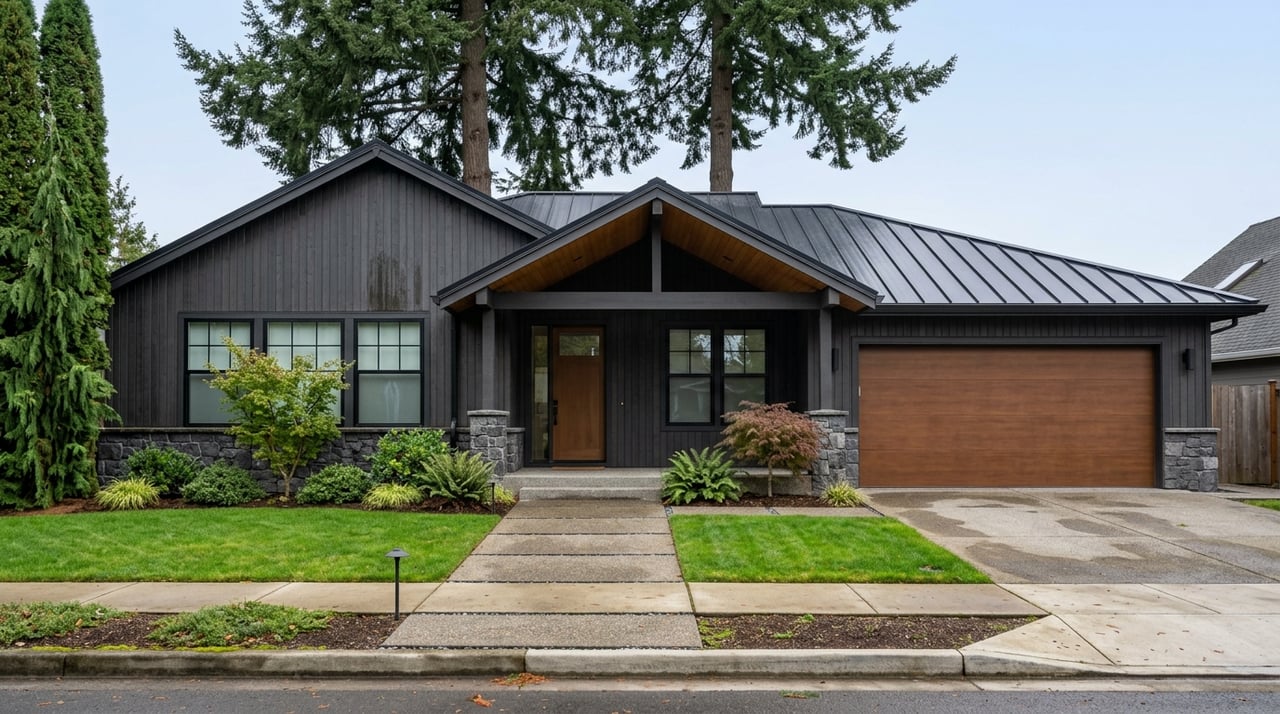
Looking for a Portland-area suburb that feels a little more grounded, a little more connected, and still practical for daily life? Sherwood often stands out for exactly that reason. If you are trying to picture what it would actually feel like to live there, this guide will walk you through the pace, layout, housing, commute patterns, and everyday amenities that shape life in Sherwood. Let’s dive in.
Sherwood at a Glance
Sherwood is a small city in Washington County, about 15 miles southwest of Portland in the Tualatin Valley. The Census Bureau’s 2025 estimate puts the population at 20,535, and the city covers 4.83 square miles. That size gives Sherwood a more compact suburban feel rather than the spread-out feel you may find in larger suburbs.
City sources describe Sherwood as a historic small city with modern amenities, and that description fits. You get a place with a defined town center, recognizable neighborhood areas, and a community rhythm that feels intentional. For many buyers, that balance is a big part of Sherwood’s appeal.
The Overall Feel of Daily Life
Daily life in Sherwood tends to feel organized, local, and easy to navigate. Because the city is relatively compact, many of the places you use regularly can feel close at hand, whether that is a park, Old Town, or a main commuter route. That can make everyday routines feel more manageable.
There is also a clear sense of identity here. Old Town gives Sherwood a historic core, while newer public spaces and residential development add modern convenience. The result is a suburb that feels established without feeling stuck in the past.
Old Town Shapes the City
One of the biggest things that sets Sherwood apart is Old Town. This historic downtown area is central to the city’s identity, and Sherwood’s Old Town overlay district is designed to preserve both its historic character and its commercial role.
The district includes Smockville and the Old Cannery Area, which helps give the core of town structure and purpose. For residents, that means Old Town is not just a label on a map. It is an active part of how the city presents itself and grows.
The Cannery Area Adds New Energy
Sherwood’s Urban Renewal Agency says the Cannery site in Old Town is a 6.5-acre parcel planned for mixed-use residential, office, retail, a community plaza, and the Sherwood Arts Center. That kind of planning points to continued investment in the town center experience.
For you as a resident, that can translate to a downtown environment that keeps evolving while still keeping its local character. It is one reason Sherwood can feel both small-town and current at the same time.
Housing in Sherwood
Sherwood’s housing stock leans heavily toward detached homes. A Washington County transit-planning profile describes the housing mix as about 75% single-family detached, with the rest split among multifamily and attached homes.
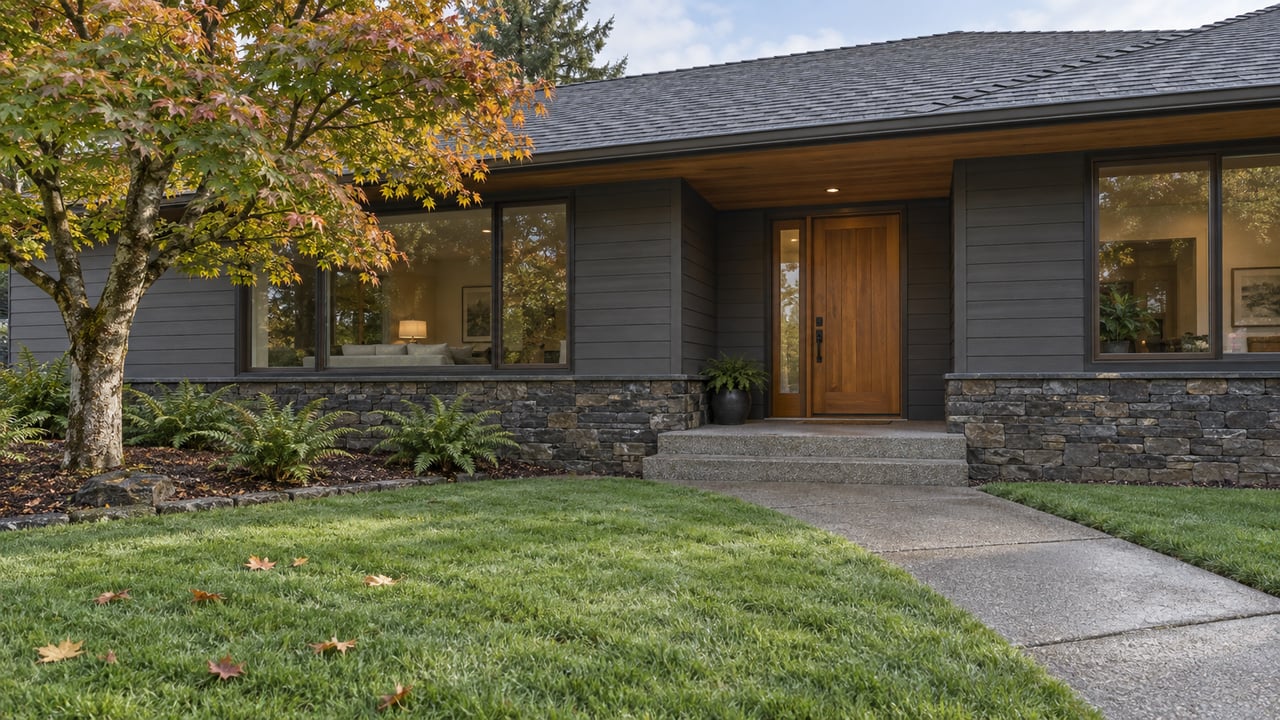
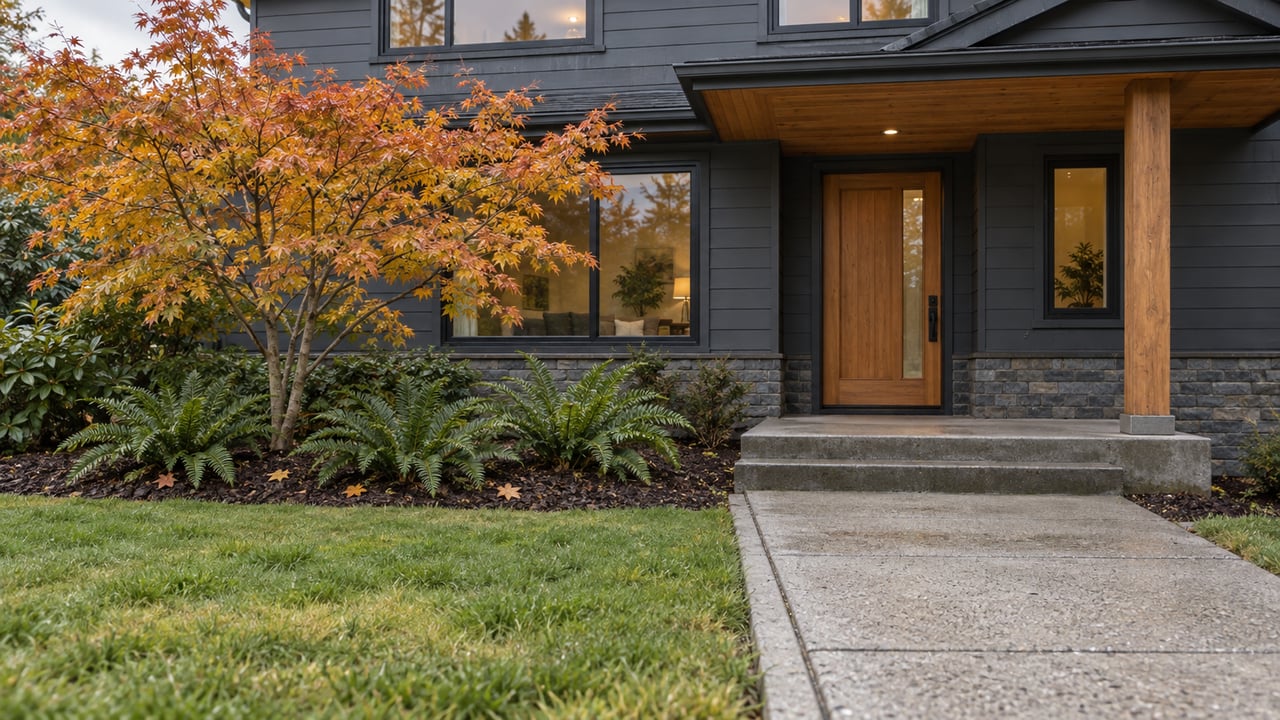
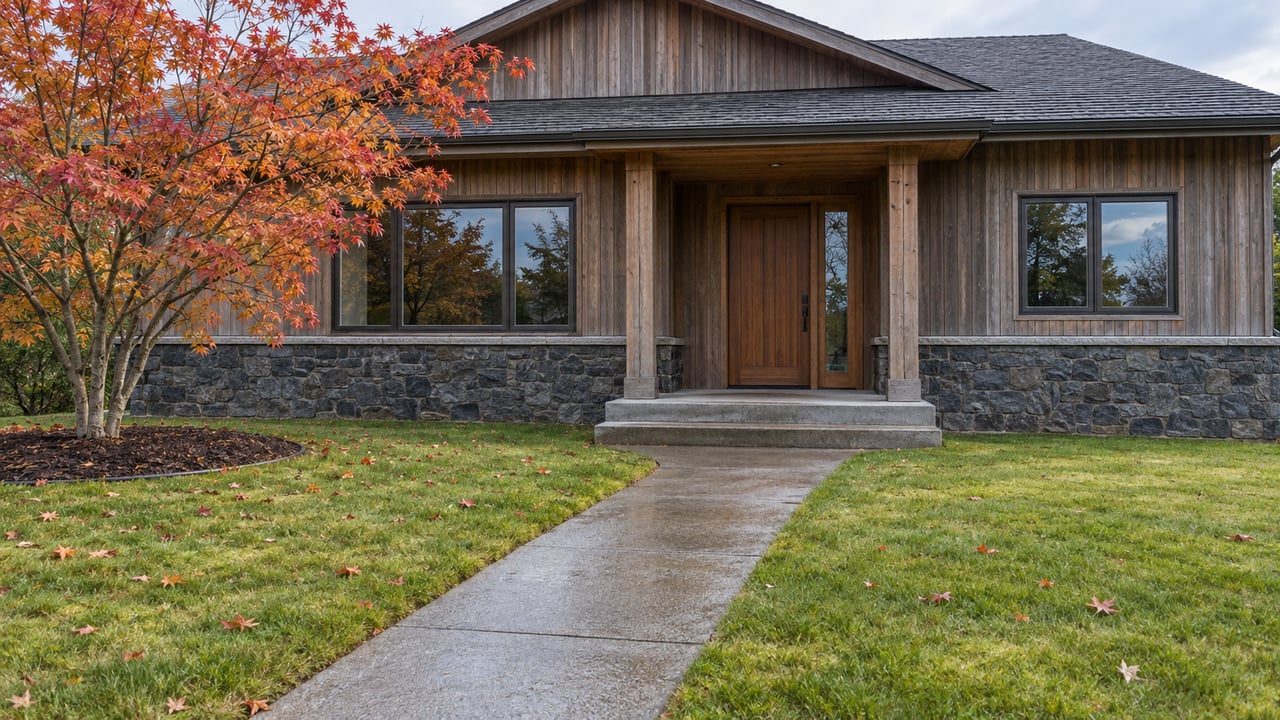
That pattern supports the suburban feel many buyers expect when they look in this part of the Portland metro. If you are searching for a traditional neighborhood setting with a strong single-family presence, Sherwood fits that profile well.
A Mostly Owner-Occupied Market
The Census Bureau reports that 72.3% of Sherwood homes are owner-occupied. It also reports 6,985 households and an average of 2.88 persons per household. Taken together, those numbers point to a city with a stable, largely owner-occupied residential base.
From a lifestyle perspective, that often means neighborhoods can feel settled and consistent. Buyers who want a suburban environment with a strong ownership presence often see that as a positive.
Home Values and Costs
Sherwood’s current housing numbers show a median owner-occupied home value of $602,100. The Census Bureau also reports median monthly owner costs of $2,576 with a mortgage and a median rent of $2,131.
Those figures help set expectations if you are comparing Sherwood with other westside suburbs. It is important to view Sherwood as a market where detached housing is common and pricing reflects that demand and location.
Housing Is Evolving Carefully
Sherwood is also planning for a broader range of housing types. The city says it is working to preserve neighborhood character while allowing middle housing such as duplexes, triplexes, quadplexes, cottage clusters, townhomes, and ADUs in single-family residential areas.
That matters because it shows Sherwood is not standing still. Over time, this approach may create more choices for buyers who want alternatives to a traditional detached home while still living in the city.
Parks and Outdoor Time Matter Here
If you value parks and simple outdoor access, Sherwood has a lot going for it. The city’s park system includes Snyder Park, Veterans’ Park, Sherwood Dog Park, Oregon Trail Park, Pioneer Park, Woodhaven Park, and several neighborhood parks.
That kind of park network adds flexibility to daily life. Whether you want a quick walk, open space, play areas, or a place to meet up with friends, parks are a visible part of the city’s everyday infrastructure.
Cannery Square Adds a Gathering Space
Cannery Square, next to City Hall in Old Town, brings a more modern public-space feel to the city center. The city describes it as having benches, open play, a pavilion, and a water feature.
That makes it more than just a backdrop. It is the kind of place that can shape how a town feels on an ordinary afternoon, especially in warmer months when people naturally spend more time outside.
Seasonal Water Features Add to Summer
The city says the water features at Snyder Park and Cannery Square operate from Memorial Day weekend through September 30, from 9 a.m. to 9 p.m. For many residents, those kinds of details are what make a place feel livable rather than just functional.
In Sherwood, summer is not only about getting through the season. Public spaces are set up to help people use and enjoy them.
Community Events Are Part of the Rhythm
Sherwood’s community calendar helps reinforce its small-city feel. The city highlights the annual Robin Hood Festival in July, and the parks schedule includes Music on the Green at Stella Olsen Park.
The city also notes that public spaces are regularly used for civic and community events. That means Sherwood’s parks and gathering areas are not passive amenities. They are active parts of local life.
For buyers, this can be an important lifestyle factor. If you enjoy living somewhere that creates reasons for people to come together, Sherwood offers that kind of environment.
Commuting From Sherwood
Sherwood’s commute patterns are shaped mainly by OR 99W and Tualatin-Sherwood Road. Washington County says commercial development is oriented along Highway 99W connecting Tigard, Sherwood, and Newberg, which helps explain how many people move through the area day to day.
The Census Bureau reports a mean travel time to work of 24.1 minutes for Sherwood workers. That gives you a useful snapshot of what commuting looks like in practice, even though your route and schedule will vary.
Expect a Mostly Car-Oriented Pattern
Taken together, local sources suggest Sherwood is still largely car-oriented. Washington County’s transit profile says the city’s transportation plan identified the lack of a local circulation route as a key transit deficiency.
So while you do have transit options, most residents are likely still relying heavily on driving for everyday movement. If you are considering Sherwood, it helps to think of transit as a supplement rather than the default.
Transit Options Are Available
TriMet Line 94 offers daily local service between Sherwood and Tigard. Line 97 provides weekday peak service between Sherwood and Tualatin, and it coordinates with WES commuter rail in Tualatin.
For some commuters, that can add flexibility, especially if your routine lines up with available service. Even so, Sherwood works best for many people when they have a car and can use transit selectively.
Regional Access Is Part of the Draw
Sherwood’s location map places Portland’s central business district about 45 minutes away and wine country about 10 minutes away. That says a lot about the lifestyle tradeoff here.
You are not in the middle of Portland, but you are close enough for metro access while also being near recreation and weekend destinations. For many buyers, that balance is one of Sherwood’s strongest selling points.
Sherwood and Wine Country Access
Sherwood describes itself as the northern gateway to Oregon’s wine country. Explore Tualatin Valley places Sherwood in the Chehalem Mountain AVA and says the area has seven and counting vineyard-estate wineries.
Even if wine is not a major hobby for you, that setting still shapes the local feel. It adds a scenic, weekend-friendly edge to daily life and helps Sherwood feel connected to something beyond the standard suburban routine.
Who Sherwood May Appeal To
Sherwood can make sense for buyers who want a compact suburb with a distinct center, a strong single-family housing presence, and practical access to the wider Portland metro. It may also appeal to people who want parks, community events, and a more grounded pace in their day-to-day routine.
It is especially worth a closer look if you like the idea of living in a place with both neighborhood stability and a recognizable downtown core. Sherwood offers a blend that can be hard to find in more purely residential suburbs.
Final Thoughts on Living in Sherwood
Living in Sherwood, Oregon often means choosing a suburb with a defined identity. You get a small-city footprint, a historic Old Town, a mostly detached housing base, active public spaces, and access to both commuter routes and wine-country recreation.
If that combination sounds like the right fit for your next move, having local guidance can make your search much more efficient. If you are exploring homes in Sherwood or comparing it with other westside suburbs, Tracy Brophy can help you evaluate neighborhoods, timing, and home options with a clear, process-driven approach.
FAQs
What is Sherwood, Oregon known for?
- Sherwood is known for its historic Old Town, compact suburban layout, community events, park system, and location near Oregon wine country.
Is Sherwood, Oregon a small town or a suburb?
- Sherwood is best described as a compact suburb with a small-city feel. It has a population of 20,535 and covers 4.83 square miles.
What types of homes are common in Sherwood, Oregon?
- Sherwood’s housing is mostly single-family detached homes, which make up about 75% of the housing stock, with additional attached and multifamily options in the mix.
Is Sherwood, Oregon good for commuters?
- Sherwood offers access to OR 99W and Tualatin-Sherwood Road, with a mean travel time to work of 24.1 minutes. It is largely car-oriented, with TriMet service available as a supplement.
Does Sherwood, Oregon have a walkable downtown area?
- Sherwood has a historic downtown core in Old Town, which serves as a central part of the city’s identity and includes public gathering spaces like Cannery Square.
What is the housing market like in Sherwood, Oregon?
- Current Census Bureau figures show a median owner-occupied home value of $602,100, median monthly owner costs of $2,576 with a mortgage, and a median rent of $2,131.