If you are moving up in Tualatin, one question usually rises to the top fast: do you want the space and character that often come with an established neighborhood, or the modern layout and lower-maintenance feel of a newer subdivision? It is a smart question, especially when you are balancing square footage, commute needs, yard space, and day-to-day convenience. The good news is that Tualatin gives you strong options on both sides. Here is how to think through established vs. newer Tualatin neighborhoods so you can narrow your search with confidence.
Why Tualatin makes this comparison easy
Tualatin’s growth pattern creates a fairly clear split between older, more established residential pockets and newer development areas. The city’s early settlement centered on Bridgeport, Boone’s Ferry Road, and the railroad depot, while Tualatin Commons was created in the early 1990s as an identifiable downtown.
Today, the city also recognizes downtown Tualatin, Bridgeport Village, Nyberg Woods, and Nyberg Rivers as distinct destination areas. South Tualatin growth and transportation work continue to focus on the I-5 corridor, which helps explain why newer housing options often cluster around that part of town.
What established neighborhoods tend to offer
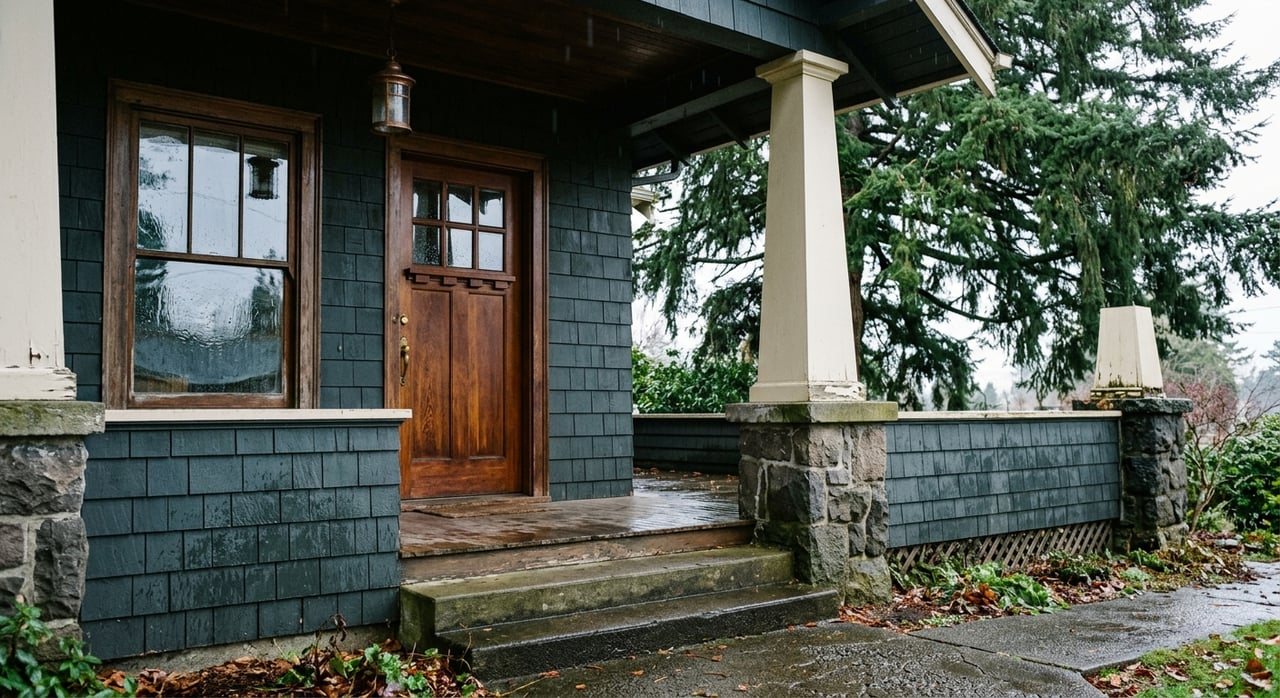
For many move-up buyers, established neighborhoods stand out for one reason right away: more breathing room. In Tualatin, examples like Victoria Woods and Martinazzi Woods show the kind of features buyers often associate with older neighborhoods, including mature landscaping, curving cul-de-sacs, and larger detached homes.
Victoria Woods is described as a wooded neighborhood with tall evergreens, and a current listing there shows a 1998 single-family home on a 0.29-acre lot with a 3-car garage and established landscaping. The annual HOA in that example is about $250 and covers commons and management.
Martinazzi Woods offers a similar wooded setting with a creekside greenbelt and winding cul-de-sacs. Homes there are described as leaning toward late-20th-century Northwest styles, including split-levels, traditional two-stories, and updated ranches. A current listing example also shows a 1998 home on a 0.29-acre lot with a 3-car garage and a modest HOA.
Common strengths of established areas
Based on the current neighborhood examples, established Tualatin pockets often appeal to move-up buyers who want:
- Larger lots
- Mature trees and landscaping
- Wider setbacks between homes
- Bigger garages or utility space
- A more established streetscape
- More room to update or personalize over time
If yard space and privacy rank high on your list, these areas may deserve a close look.
What newer subdivisions tend to offer
Newer Tualatin neighborhoods usually attract buyers who want a more turnkey experience. If you are hoping to avoid a long list of updates after closing, newer construction and newer resale homes may feel like the easier fit.
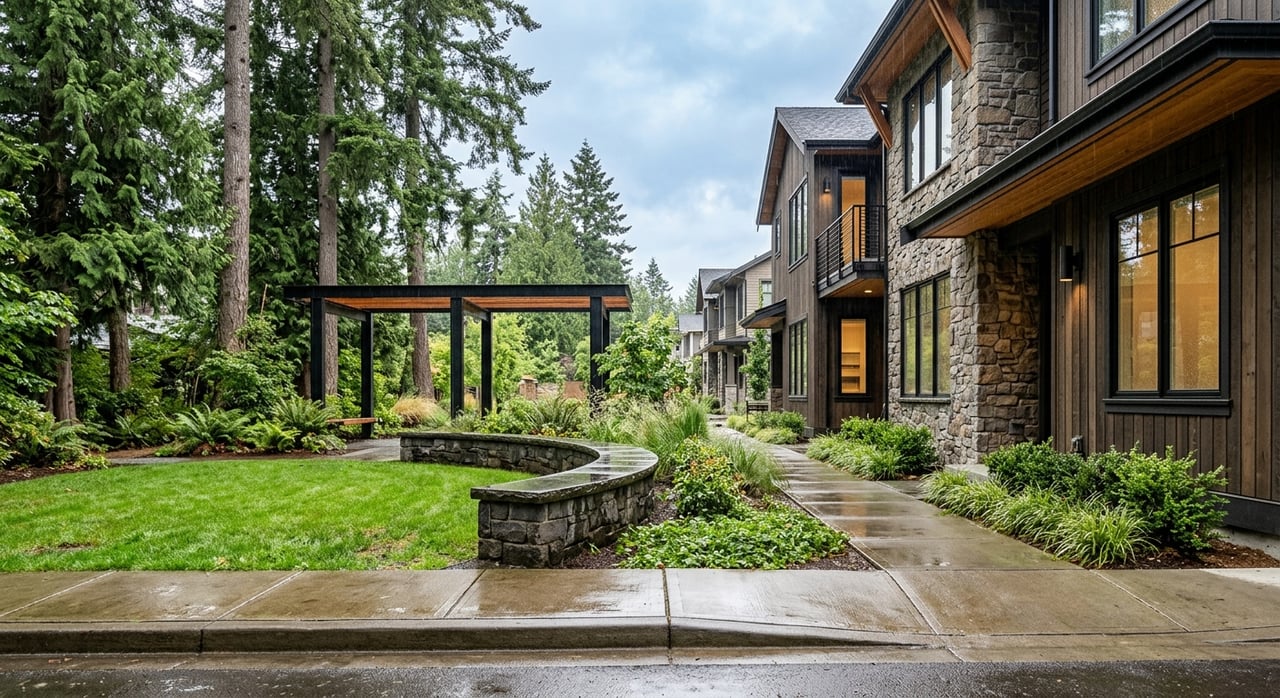
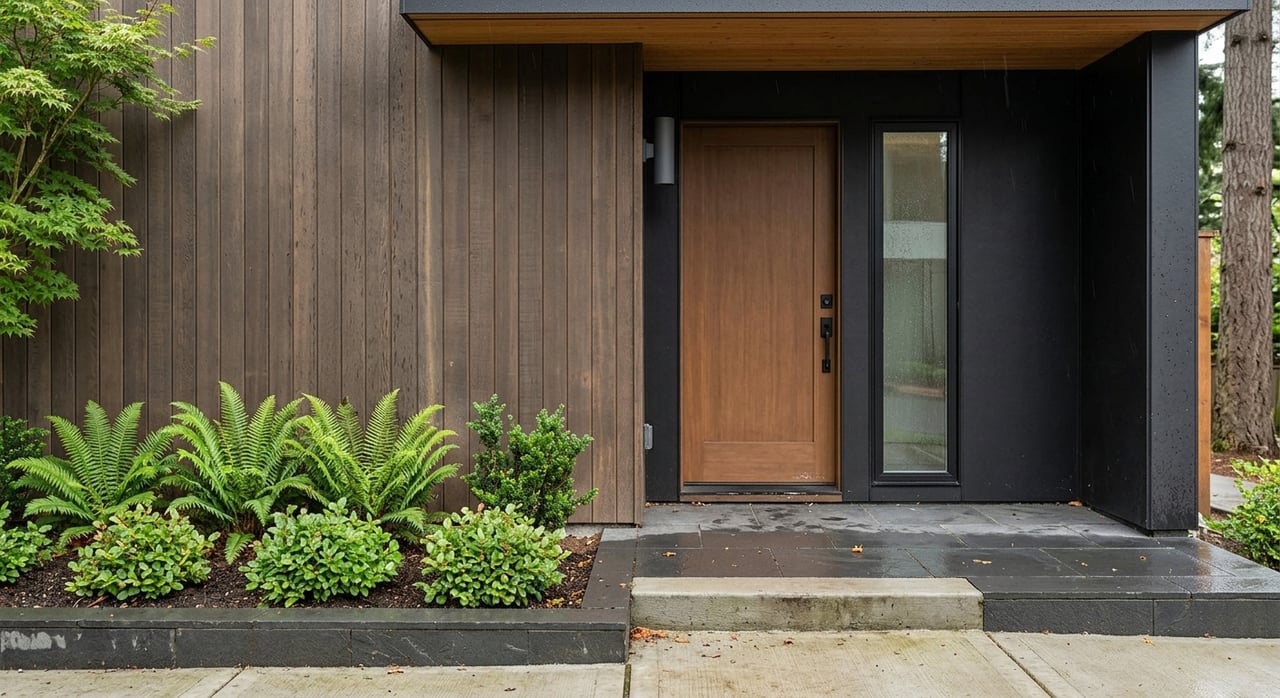
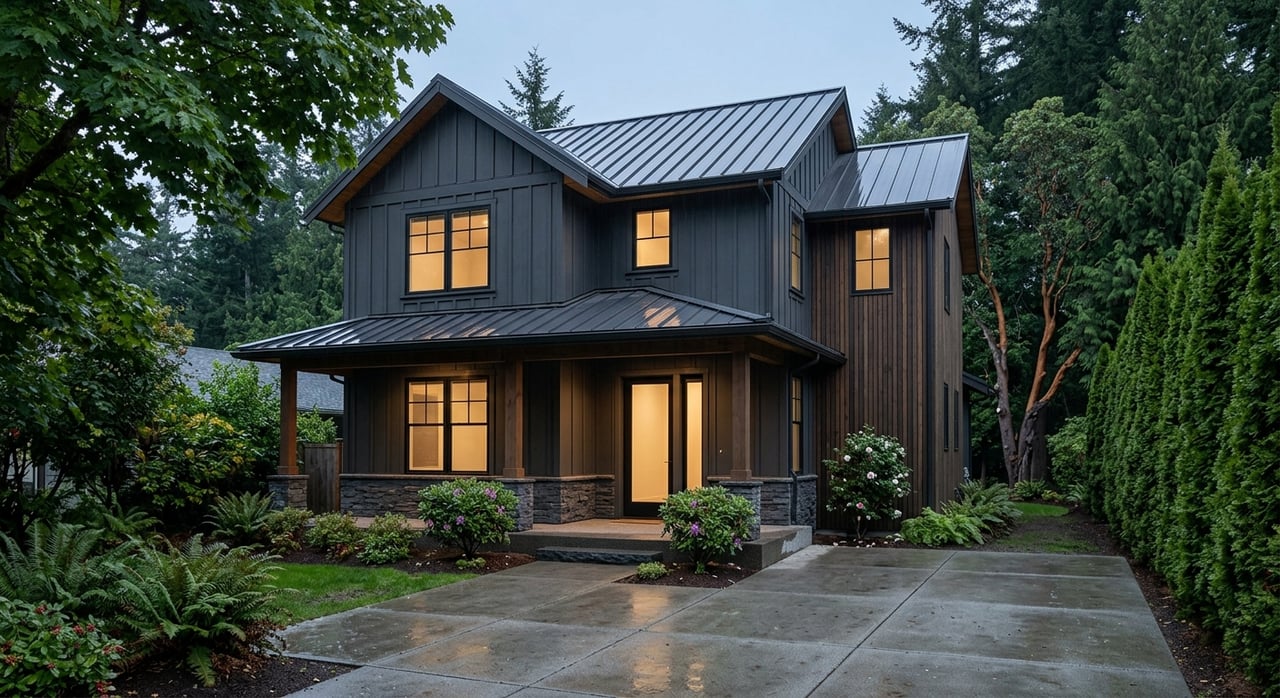
Autumn Sunrise is the clearest current example. Listings there show 2025 and 2026 new-construction homes with open-concept great-room layouts, first-floor primary or guest-bedroom options, covered patios, and fenced or landscaped yards.
The lot sizes in these examples are smaller than the established-neighborhood examples, with subdivision lots as small as 3,049 square feet and 4,356 square feet. That smaller footprint often comes with a more uniform neighborhood layout and a more managed community feel.
Sagert Farm offers another useful comparison point. A 2018 home there sits on a 6,804-square-foot lot, and the HOA is listed at $40 per month for commons, management, and road maintenance. It shows how a newer, but not brand-new, neighborhood can still offer a detached-home setup with a lower-maintenance feel.
Common strengths of newer areas
Based on the current listings, newer subdivisions in Tualatin often appeal to move-up buyers who want:
- Modern floor plans
- Open-concept living spaces
- Newer finishes and systems
- Lower exterior maintenance
- Community amenities or shared spaces
- A more predictable, standardized neighborhood setup
If your priority is convenience and move-in-ready condition, newer neighborhoods may check more boxes.
HOA differences matter more than many buyers expect
One of the biggest practical differences between established and newer neighborhoods in Tualatin is the HOA structure. This can affect your monthly budget, maintenance expectations, and the overall feel of the community.
In Autumn Sunrise, current listings show monthly HOA dues ranging from about $31 to $164. Services and amenities listed include commons areas, exterior maintenance, front-yard landscaping, management, walking trails, a park, playgrounds, picnic areas, and open-space features in some cases.
By contrast, the current Victoria Woods example shows a much smaller annual HOA of about $250. That does not automatically make one option better than the other, but it does highlight a different ownership experience.
Questions to ask about HOA setup
When you compare neighborhoods, make sure you ask:
- What does the HOA fee cover?
- Is exterior maintenance included?
- Are there landscape requirements?
- Are there shared amenities you will actually use?
- How do dues affect your long-term monthly housing cost?
For some buyers, a more involved HOA is a plus because it reduces maintenance work. For others, a lower-fee setup with more personal control over the property feels like the better fit.
Lot size and privacy are often the deciding factors
If you are moving up from a starter home, lot size can feel just as important as the house itself. In Tualatin, the current examples show a clear difference.
Established pockets like Victoria Woods and Martinazzi Woods feature examples around 0.29 acre. In Autumn Sunrise, current lot examples range from about 3,049 to 4,356 square feet.
That difference can shape how a home feels every day. A larger lot may give you more outdoor flexibility, more distance between homes, and a stronger sense of privacy. A smaller lot may mean less upkeep, a more efficient use of space, and a newer home with current design preferences.
Commute access is strong across Tualatin
The good news for move-up buyers is that both established and newer neighborhoods can work well for commuting and errands. Tualatin sits on Interstate 5 between I-205, Highway 99W, and Highway 217, which gives residents access to a strong regional transportation network.
The city also identifies TriMet bus lines 76, 96, and 97, the WES commuter rail line, and the Tualatin Shuttle as transit options. Newer south-side listings are often marketed for quick access to I-5 and shopping, but established neighborhoods also benefit from the same broader transportation spine.
That means your decision may come down less to citywide access and more to your preferred home style, lot size, and maintenance trade-offs.
Shopping, dining, and recreation support both choices
You do not have to choose between convenience and lifestyle when comparing established and newer parts of Tualatin. The city offers a mix of destination areas and outdoor amenities that support both.
Tualatin Commons serves as an identifiable downtown area with a lake, promenade, plazas, and restaurants. A 2024 city planning report also identifies Bridgeport Village, Nyberg Woods, and Nyberg Rivers as major destination areas for shopping, dining, fitness, entertainment, and retail.
For outdoor use, the city maintains more than 200 acres of parks, along with the Tualatin River Water Trail and the Tualatin River Greenway Trail. River access is available at Brown’s Ferry Park, Tualatin Community Park, Jurgens Park, and the 99W/Hazelbrook launch.
What this means for your home search
Because these amenities serve the city more broadly, your choice between established and newer neighborhoods may not hinge on access to recreation or errands. Instead, it is more useful to focus on the kind of home experience you want once you get there.
How move-up buyers can choose the right fit
A simple way to frame the decision is this: established neighborhoods usually suit buyers who want a more mature setting, bigger yard, and room to personalize. Newer subdivisions usually suit buyers who want updated finishes, community features, and less exterior upkeep.
Neither option is automatically better. The better choice is the one that fits how you actually live, what you want to spend your time maintaining, and what kind of home will still feel right a few years from now.
Established neighborhoods may fit you better if you want:
- More lot space
- Mature trees and landscaping
- A less uniform streetscape
- Larger garages or storage areas
- More opportunity to customize or update
Newer neighborhoods may fit you better if you want:
- New construction or newer systems
- Open floor plans
- Lower-maintenance living
- HOA-supported amenities
- A more turnkey purchase
When you are moving up, it helps to compare not just list prices, but also ongoing costs, time demands, and how each neighborhood supports your next stage of life.
If you are weighing established vs. newer neighborhoods in Tualatin, a focused side-by-side search can make the decision much clearer. Tracy Brophy can help you compare lot sizes, HOA structures, home styles, and neighborhood trade-offs so you can buy with a clear plan and strong local guidance.
FAQs
Where can you find larger lots in Tualatin neighborhoods?
- Established neighborhoods such as Victoria Woods and Martinazzi Woods show current examples around 0.29 acre, which is larger than the lot sizes shown in newer subdivision examples.
Where are the newest homes in Tualatin?
- Autumn Sunrise is the clearest current example of newer housing, with listings showing 2025 and 2026 new-construction homes.
Which Tualatin neighborhoods tend to have more HOA involvement?
- Newer subdivisions tend to have more visible HOA structures, and Autumn Sunrise examples include monthly dues tied to maintenance, commons, and amenities.
Are established Tualatin neighborhoods closer to shopping and commuting routes?
- Both established and newer areas can work well because Tualatin is built around the same major transportation network, including I-5, I-205, Highway 99W, Highway 217, bus service, WES, and the Tualatin Shuttle.
Which Tualatin neighborhood type is better for lower maintenance?
- Newer subdivisions generally fit buyers looking for lower exterior maintenance, based on the HOA services and turnkey condition shown in current listing examples.
Do both older and newer Tualatin neighborhoods offer access to parks and recreation?
- Yes. Tualatin’s parks, river access points, water trail, and greenway trail are citywide strengths that support buyers in both established and newer parts of town.