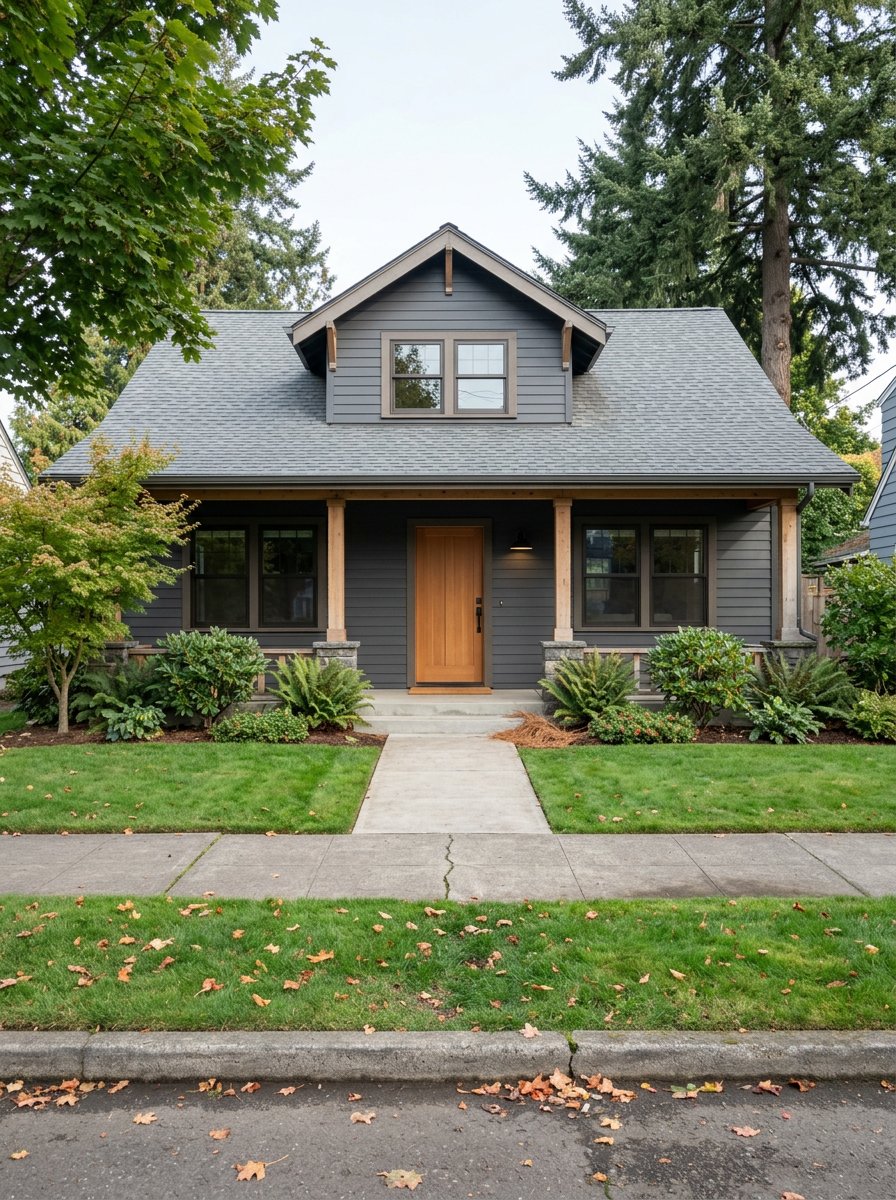
Choosing between living in Portland or the westside suburbs can feel like a tug-of-war between commute, cost, and the day-to-day rhythm you want. You might love Portland’s culture and walkability, yet crave the extra space and quieter streets many suburbs offer. This guide gives you a clear, data-backed look at commute realities, housing costs, schools, and lifestyle so you can decide with confidence. Let’s dive in.
Commute tradeoffs: averages vs. real life
By the numbers, average one-way commutes are surprisingly similar across Portland and the westside. Portland’s city average is about 24 minutes, Beaverton comes in near 24 minutes, Tigard averages roughly 23 minutes, and Lake Oswego is about 22 minutes, based on ACS QuickFacts. You can explore the underlying city data through Portland’s and Lake Oswego’s QuickFacts pages for context. The small differences on paper often feel bigger during rush hour, especially along I‑5, US‑26, and Hwy‑217.
- Transit options differ by corridor. The MAX Light Rail serves the westside corridor and connects through Beaverton Transit Center, while the WES commuter rail links Beaverton, Tigard, Tualatin, and Wilsonville. You can scan station locations and lines on TriMet’s MAX station list.
- Remote and hybrid work are still part of the local picture. Regional analysis shows work-from-home rates shifted from pandemic highs, which can reduce weekly commute pressure for many households.
Key takeaway: Average times look similar, but your route, departure window, and access to MAX or WES can make daily life feel very different.
Housing costs at a glance
Price patterns vary by city and housing type. Portland’s citywide market typically sits in the mid $500Ks based on recent value indexes. Beaverton’s owner‑occupied median value is reported in the mid‑$500Ks range in recent ACS estimates. Tigard tends to track in the mid to upper $500Ks according to recent value indexes.
Lake Oswego stands apart on price. Its owner‑occupied median value is about $932K in recent ACS reporting. Neighborhood pockets often trade higher, which aligns with the city’s larger-lot single‑family stock and high demand.
- Portland price context: citywide pricing sits near the mid $500Ks based on recent modeling and reporting.
- Beaverton: median owner‑occupied values in the mid‑$500Ks range, per ACS QuickFacts.
- Tigard: mid to upper $500Ks on recent value measures.
- Lake Oswego: about $932K owner‑occupied median value, per ACS QuickFacts.
Key takeaway: If budget is your primary driver, Portland, Beaverton, and Tigard tend to cluster together, while Lake Oswego generally commands a premium.
Lot sizes and home types
Portland’s zoning and residential infill program allow more small‑lot and middle‑housing options in many neighborhoods. Minimum lot areas in single‑dwelling zones can be significantly smaller than typical suburban parcels, which helps explain the city’s mix of cottages, townhomes, and infill on compact lots. You can review how the city approaches lot sizes and middle housing in Portland’s zoning and residential infill overview.
On the westside, you will generally find more detached single‑family homes on larger lots, especially in Lake Oswego. Beaverton and Tigard offer a mix that includes classic subdivisions, established neighborhoods, and newer communities with varied lot sizes. The tradeoff is straightforward: more space and privacy vs. a more compact, walkable urban fabric.
Key takeaway: If you want a larger yard and a higher share of detached homes, the suburbs lean your way. If you value compact living and more housing variety, Portland offers more options.
Schools and family considerations
District performance varies, and the most useful comparisons happen school by school. Lake Oswego School District reports high on‑time graduation rates and strong proficiency metrics in recent state reporting. Beaverton and Tigard‑Tualatin are large districts with many neighborhood choices and specialized programs, with outcomes that vary by campus. Portland Public Schools is the largest district and shows wider variation across schools.
For an apples-to-apples view, review Oregon’s At‑A‑Glance district and school profiles to compare individual campuses and programs. You can preview the kind of district‑level summaries referenced in recent reporting.
Key takeaway: Treat school comparisons as campus-specific. Start with district trends, then drill into individual schools that serve your target neighborhoods.
Lifestyle fit: what daily life feels like
Portland city
- Walkable neighborhoods with short non‑work trips to restaurants, cultural spots, and parks.
- More condos, cottages, and middle housing near transit.
- Great fit if you want a lively urban setting and prioritize proximity over space.
Beaverton
- Suburban neighborhoods with parks and community amenities, plus transit access via MAX and WES.
- Balanced option for households that want a mix of space, access to services, and manageable commute choices.
Tigard
- Quiet residential areas with convenient access to Hwy‑217 and I‑5.
- A range of single‑family homes and townhomes with a suburban pace.
Lake Oswego
- Distinctive lake‑oriented lifestyle and a concentration of higher‑value homes.
- Neighborhoods with mature trees, larger lots, and a quieter residential feel.
Key takeaway: Choose the rhythm you want each day. Urban convenience and character in Portland, or more space and a slower pace in the suburbs.
How to decide: a simple plan
Map your actual commute. Test your route at your typical departure time for a few days. Compare a MAX or WES option if you are near a station using TriMet’s route and station resources.
Rank your lifestyle must‑haves. Walkability, yard size, home type, and proximity to parks or shops should lead your short list.
Compare school options by neighborhood. Use Oregon’s At‑A‑Glance profiles to review graduation, proficiency, and program offerings for specific campuses.
Align budget with neighborhoods. If Lake Oswego is your top choice, plan for a higher price point. If you want value flexibility, explore Beaverton, Tigard, or select Portland neighborhoods.
Tour at different times of day. Visit morning and evening to experience traffic, noise, and neighborhood activity firsthand.
Work with a local, data‑driven guide
Your best choice comes from pairing trusted data with on‑the‑ground insight. If you want a clear plan, neighborhood‑level comparisons, and a smooth path from search to closing, connect with Tracy’s team. Start a focused conversation with Tracy Brophy to align commute, lifestyle, and budget with the right home.
FAQs
What is the average commute time in Portland vs. the westside?
- ACS QuickFacts shows Portland at about 24 minutes, Beaverton near 24 minutes, Tigard around 23 minutes, and Lake Oswego about 22 minutes. Differences feel larger during peak congestion.
Does living in Lake Oswego reduce commute time a lot?
- Not automatically. City averages differ by only a few minutes. Your route, departure time, and access to I‑5 or surface streets will matter more than the city boundary.
How do home prices compare between Portland and Lake Oswego?
- Portland’s citywide market typically sits in the mid $500Ks, while Lake Oswego’s owner‑occupied median value is about $932K in recent ACS reporting.
Are suburban lot sizes bigger than in Portland?
- Often yes. Portland’s zoning allows smaller lots and more middle housing, while suburbs tend to have more detached homes on larger parcels.
What public transit options serve the westside suburbs?
- The MAX Light Rail serves the westside corridor and connects through Beaverton Transit Center. WES links Beaverton, Tigard, Tualatin, and Wilsonville. TriMet’s MAX station list shows lines and stops.