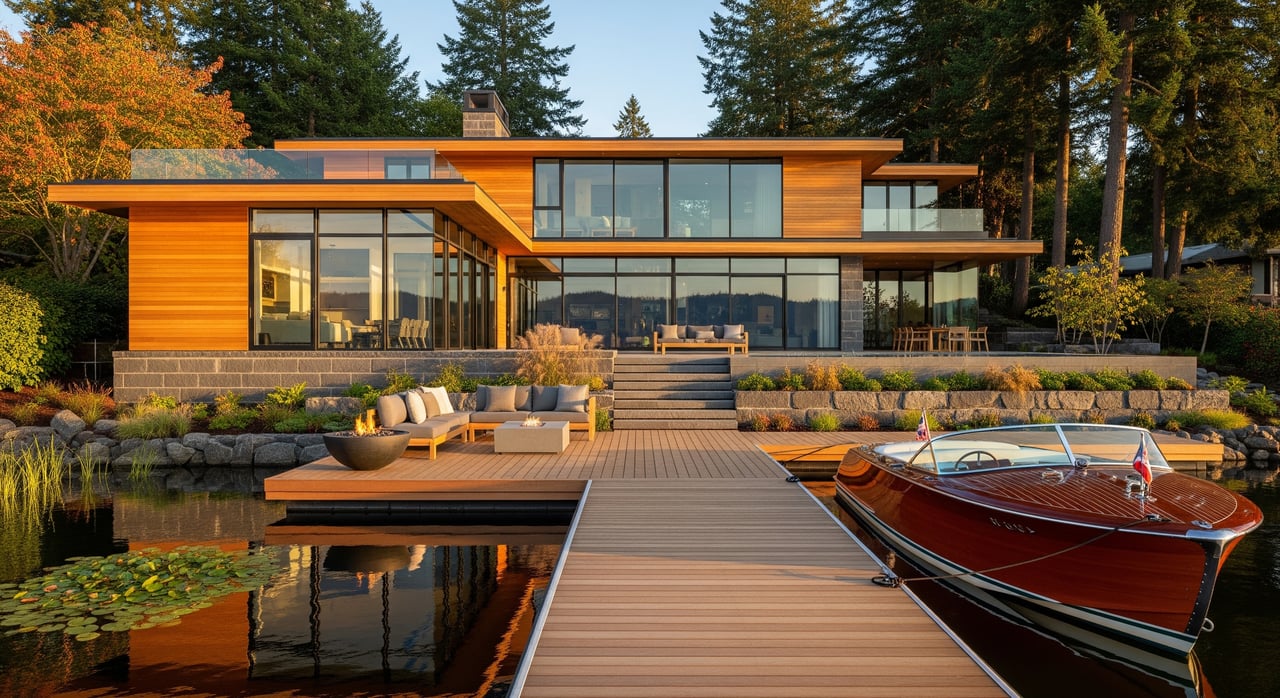
Picture mornings that start with mist on the water and end with sunset walks by the lake. If you are thinking about Lake Oswego, you likely want a balanced day-to-day life with outdoor access, good services, and an easy routine. This guide gives you a clear view of lake access, neighborhoods, parks, schools, commuting, and homeowner details so you can decide what fits your household. Let’s dive in.
Oswego Lake access and lifestyle
Oswego Lake sits at the heart of the city, and access is unique. Much of the shoreline and water rights are privately owned or controlled, and public access is limited to specific parks or rights-of-way. Always confirm current rules and allowed activities with the City of Lake Oswego before you plan water time.
Life on or near the water often includes boating, paddleboarding, lakeside gatherings, and seasonal events at public parks. If a property has lake rights, you may have dock access and a very direct water routine. If not, you can still enjoy the lake’s setting through nearby parks and community spaces.
Buying near the water brings tradeoffs. Lakefront perks include views and direct access if rights exist. Constraints can include association rules, dock maintenance, and potentially higher costs. Non-lakefront homes may offer lower purchase prices, more yard space, and straightforward access to parks and schools.
Neighborhoods and daily feel
Lake Oswego is a mid-sized, mature suburb of about 40,000 residents. For a quick snapshot of population and households, browse the U.S. Census Bureau’s QuickFacts.
Downtown and Old Town
You get walkable, lake-facing streets with cafés, boutiques, and public spaces near Millennium Plaza Park and George Rogers Park. It suits you if you value community events and short walks to dining. Housing includes historic homes, condos, townhomes, and select lakefront properties.
Lake Grove and Boones Ferry Road
This is the practical, everyday corridor with grocery stores, restaurants, and family services. You will find organized youth activities, nearby parks, and an easy errand loop. Housing is mostly single-family with pockets of condos and townhomes near the spine.
South Shore and lakefront pockets
These quiet residential streets often include private docks, steep grades, and stairways to the water. It is ideal if your top priority is a water-centered lifestyle and you are comfortable with property-specific rules. Expect a mix of high-value estates and remodeled mid-century homes.
West and Upper Hills
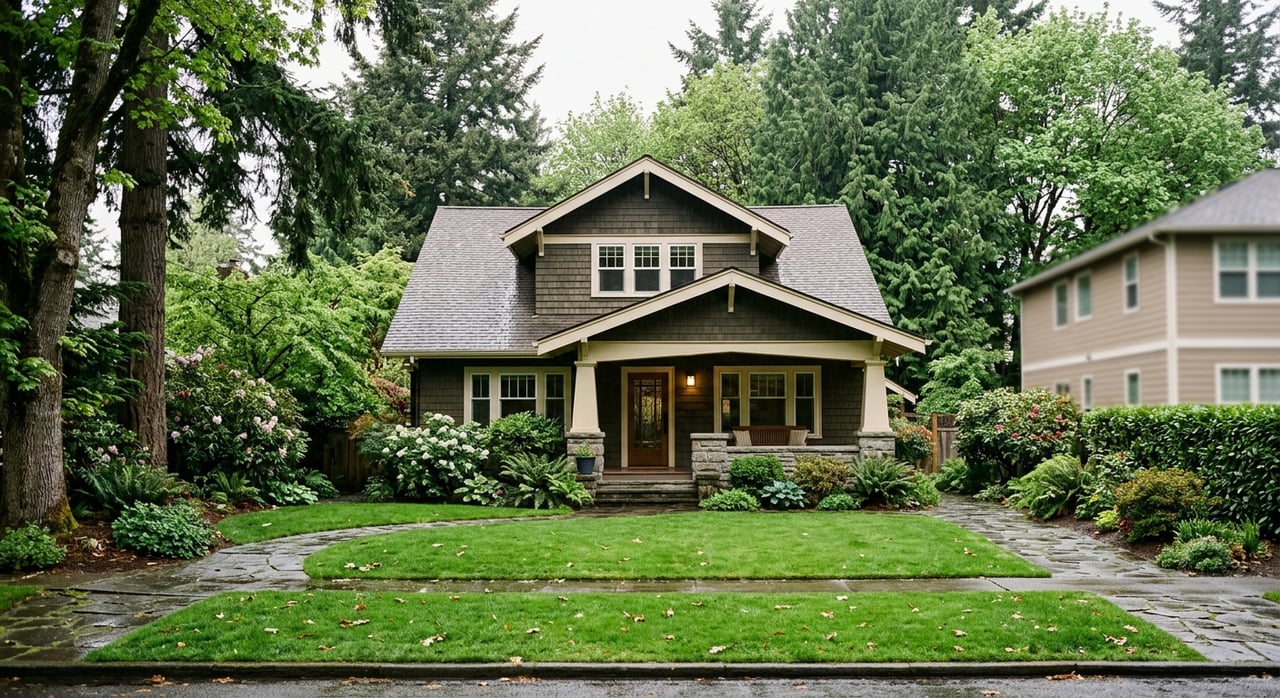
Heavy tree canopy, rolling topography, and larger lots define this area. Daily life feels calm and private, with a more traditional suburban rhythm. Homes are primarily single-family, including later-period construction in places.
Parks and outdoor recreation
The city offers a strong network of parks, trails, and programs for active families. George Rogers Park anchors the Willamette River side with fields, paths, and event space, while Luscher Farm & Natural Area features open fields, programs, and community gardens. Explore programs and locations through Parks & Recreation.
Regional nature is close by. Tryon Creek State Natural Area and other nearby green spaces offer deeper hiking and biking. For a broader view of regional parks and planning, see Oregon Metro.
If you like structured activities, you will find golf, tennis, and private swim clubs alongside city-run youth sports, camps, and classes. Neighborhood trails and quiet streets support daily walks and bike rides.
Schools and family services
Lake Oswego School District (LOSD) serves elementary, middle, and high school students across the city. The district is often recognized for academic outcomes and a wide range of activities. Always verify boundaries, program options, and enrollment policies on the Lake Oswego School District site, and review statewide data with the Oregon Department of Education.
Childcare includes private centers, cooperative preschools, faith-based preschools, and in-home providers. Availability can be tight, so early outreach helps. Families often supplement with Parks & Rec classes, music and arts studios, youth leagues, and seasonal camps.
Commutes and transit
Many residents commute to downtown Portland, the Westside, or nearby employment hubs. Typical travel times to central Portland range from about 20 to 45 minutes depending on traffic and starting point. Transit is available, with TriMet bus connections into Portland and to MAX/light-rail stations. Check routes and frequency by neighborhood on TriMet.
Walkability varies across the city. You will find the highest concentration of walkable blocks in Downtown/Old Town and parts of Lake Grove. Many other areas function best with a car for daily errands.
Errands, dining, healthcare
Your day-to-day routine often revolves around two hubs. Downtown/Old Town offers waterfront dining and boutique shopping near the lake. The Boones Ferry Road corridor is your go-to for groceries, services, and a variety of restaurants.
Healthcare is straightforward, with local clinics and urgent care for routine and immediate needs. Major hospitals and specialty centers across the Portland metro are typically a 15 to 30 minute drive, depending on traffic and time of day.
Costs and homeowner details
Plan for above-average purchase prices relative to many nearby suburbs and a market that rewards clear financing and quick decisions. Homeownership budgets often include property taxes, regular maintenance for mature landscaping, and in some cases HOA or lake-association fees and dock upkeep.
Older areas may have specific infrastructure items, such as sewer or stormwater considerations. Some lakefront streets are narrow or steep, so check parking and access for carpools, deliveries, and guests. If a property includes lake rights, confirm any rules or fees through the city or relevant association.
Choose your right fit
Start with your top priorities. Do you want direct water access, a short walk to dinner, larger yard space, or the quiet of a wooded street? From there, weigh commute routes, school boundaries, and budget. When you are ready, a local, process-driven advisor can help you confirm lake rights, understand neighborhood nuances, and move decisively.
If you would like a step-by-step plan tailored to your needs, connect with Tracy Brophy to Request a Market Consultation or Free Home Valuation.
FAQs
Is Oswego Lake public or private in Lake Oswego?
- Oswego Lake is mostly private in character, with limited public access points; confirm current rules and access locations with the City of Lake Oswego.
What are typical commute times to downtown Portland from Lake Oswego?
- Many commutes fall in the 20 to 45 minute range depending on time of day, route, and origin; explore bus and rail connections on TriMet.
How do school boundaries work in Lake Oswego School District?
- Attendance maps and enrollment policies are published by the Lake Oswego School District; review specifics and statewide metrics via the Oregon Department of Education before you buy.
Where is walkability highest in Lake Oswego?
- You will find the most walkable blocks near Downtown/Old Town and parts of Lake Grove; many other areas are car-oriented for errands and school drop-offs.
What kids’ activities are available year-round in Lake Oswego?
- City programs, youth sports, arts classes, and seasonal camps run throughout the year; browse current offerings through Parks & Recreation.